
A drug manufacturing charge under Cal. Health & Safety Code § 11379.6 is one of the most serious drug felonies in California, carrying 3, 5, or 7 years in county jail and a fine up to $50,000. If you've been arrested for running a lab, a butane hash oil operation, or an illegal grow in Los Angeles County, the government is already building its case. At Chudnovsky Law, our team brings over 113 years of combined experience and more than 9,000 cases handled to your defense. Former prosecutor Kareem Aref leads this fight with inside knowledge of how these cases are built — and where they break.
Here's what most people don't realize: manufacturing charges hinge on chemistry, chain of custody, and lab testing — three areas where prosecutors routinely cut corners. Chudnovsky Law has earned 5-star ratings across Google in Los Angeles, Orange County, and Long Beach, and a perfect 10.0 Superb rating on AVVO. We defend cases in all 23 Los Angeles County criminal court locations.
Call (213) 212-5002 now for a free, confidential consultation — we answer 24/7.
On This Page:
- Why local experience matters
- What manufacturing charges cost
- The Chain of Custody Breakdown Protocol
- HS 11379.6 explained
- Marijuana cultivation defense
- Penalties compared
- LA court guide
- Our promise to you
- Frequently asked questions





Why a Los Angeles Drug Manufacturing Attorney Must Know the Local Courts

Manufacturing cases in Los Angeles move through specific courthouses with specific prosecutors, and where your case lands changes how it should be defended. A butane hash oil explosion in a Hollywood apartment gets handled differently than a suspected meth lab in the Antelope Valley.
Most people assume any criminal lawyer can handle a drug case. That assumption costs defendants dearly. Manufacturing prosecutions require an attorney who understands both the science and the local players.
Felony drug manufacturing cases from central Los Angeles are usually filed at the Clara Shortridge Foltz Criminal Justice Center at 210 W. Temple St., just off the 101 near downtown. The LA County District Attorney staffs dedicated narcotics units that treat manufacturing as a priority. These prosecutors know the sentencing enhancements cold. Your defense team needs to know them better.
As a former Deputy District Attorney who prosecuted drug crime cases before switching sides, Kareem Aref understands the playbook LA prosecutors run on manufacturing charges. He's seen how they package weak chemistry as ironclad proof. That inside view shapes every defense we build.
Key insight: In our experience, manufacturing charges filed alongside possession-for-sale counts (HS 11351 or HS 11378) are often the prosecution's way of overcharging to force a plea. The manufacturing count is frequently the weakest link — and the first place we attack.
If you've been arrested anywhere in Los Angeles County, the courthouse handling your case affects your strategy. Call (213) 212-5002 to talk through where you stand.
What Does It Cost to Fight a Drug Manufacturing Charge in Los Angeles?
Your first consultation with Chudnovsky Law is free, confidential, and carries no obligation. We'll review your arrest, explain the charges, and lay out your options before you commit to anything.
Worried about affording a defense? Here's the honest truth. Going without skilled representation on a manufacturing charge is almost never the cheaper path. A felony conviction under HS 11379.6 means years in custody, a $50,000 fine, and a permanent record that follows you into every job application.
Most drug cases are handled on a flat fee, so you know the total cost upfront — no surprises, no hourly meter running. For clients who need it, we offer payment plans to make representation accessible. We'll discuss the exact fee structure during your first call, in plain language and in writing.
Flat fee means one agreed price covers the defined scope of your case, rather than being billed by the hour. It gives you budget certainty during an already stressful time.
Compare that to the lifetime cost of a conviction: lost earning capacity, immigration consequences, and the professional doors that close permanently. The cost of getting your defense right almost always beats the cost of getting it wrong.
Not sure your situation warrants a lawyer? We don't gatekeep. Every consultation is a real conversation about what you're actually facing. Call (213) 212-5002 — we'll tell you straight.
The Real Consequences of a Drug Manufacturing Conviction in California
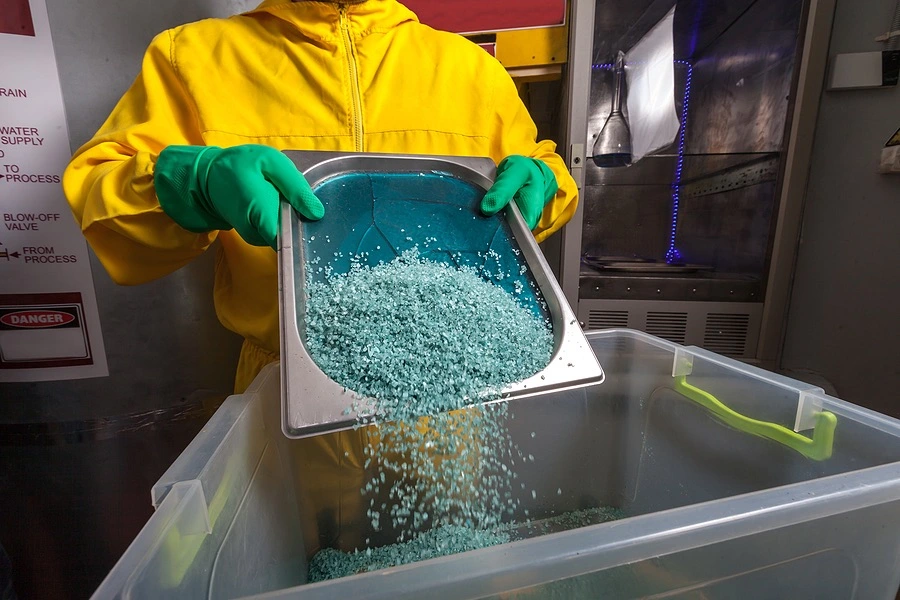
Manufacturing a controlled substance under HS 11379.6 is a felony punishable by 3, 5, or 7 years in county jail under PC 1170(h) and a fine of up to $50,000. This is not a wobbler. There is no misdemeanor version of a manufacturing charge.
But the sentence range is only the beginning of what you're facing.
Nearly 3 out of 4 manufacturing arrests in California involve additional charges — possession for sale, conspiracy, or child-endangerment counts when children are present at the location. Each stacked charge multiplies your exposure.
Sentencing Enhancements That Extend Your Time
California layers enhancements onto manufacturing convictions. Under Cal. Health & Safety Code § 11370.4, large-quantity operations trigger additional years on top of the base term. When a manufacturing operation causes a fire or injury — common with butane hash oil extraction — prosecutors add great-bodily-injury allegations that can push a sentence far higher.
The Collateral Damage Beyond Jail
A felony drug conviction reaches into every corner of your life. It can strip your right to own a firearm, trigger removal proceedings if you're not a citizen, and end careers in healthcare, law, real estate, and any field requiring a state license. For non-citizens, a manufacturing conviction is treated as an aggravated felony under 8 U.S.C. § 1227, making deportation nearly automatic.
Licensed professionals face a second front. A felony drug conviction routinely triggers disciplinary action from the relevant state licensing board — a proceeding entirely separate from your criminal case, which our firm also handles.
Aggravated felony is a federal immigration term that includes drug trafficking offenses. A conviction in this category carries the harshest immigration consequences, including mandatory detention and removal.
The clock is already running. Evidence gets logged, witnesses give statements, and the prosecution's version hardens with every passing day. Call (213) 212-5002 today to start building your defense before the state locks in its narrative.
The Chain of Custody Breakdown Protocol: How We Dismantle Manufacturing Cases
Manufacturing prosecutions live and die on physical evidence — chemicals, equipment, lab reports, and the paper trail connecting them to you. Our defense method, The Chain of Custody Breakdown Protocol, systematically exposes the mishandling that plagues these cases from seizure to courtroom.
This isn't a generic checklist. It's built on the government experience and case volume our team brings to every file.
Search & Seizure Forensics: Proving the Stop or Search Was Illegal
Most manufacturing evidence comes from a search — of a home, a storage unit, or a vehicle. If that search violated the Fourth Amendment, the evidence can be suppressed. Our team knows exactly how law enforcement is trained to justify searches, which means we know where they cut corners. We examine every warrant application for defects, every warrantless entry for a valid exception, and every "consent" for genuine voluntariness.
A motion to suppress is a formal request asking the judge to exclude illegally obtained evidence from trial. When granted on manufacturing evidence, it often guts the prosecution's entire case.
Chain of Custody Audit: Finding Where Evidence Was Contaminated
Drawing on more than 8,500 cases defended by our managing attorney alone, we've seen every evidence-handling failure imaginable — missing signatures, broken seals, unexplained gaps in the log. We force the prosecution to prove every single transfer was legally documented, from the field to the evidence locker to the crime lab.
Lab Analysis Deconstruction: Challenging Purity and Testing Methods
We know the certification standards crime labs are supposed to meet, the calibration schedules they're supposed to follow, and the accreditation audits they often fail. We subpoena those records and expose when the "scientific evidence" is really guesswork. A substance that tests as a precursor rather than a finished controlled substance can collapse a manufacturing charge entirely.
Threshold Calculation Reversal: Reducing the Exposure
With more than 100 combined jury trials among our attorneys, we've mastered forcing prosecutors to prove every decimal point. The difference in weight and the distinction between an active manufacturing process and mere preparation can be the difference between prison and probation.
Confidential Informant Exposure
Many manufacturing cases start with a tip from a paid informant. We force disclosure of their criminal history, their pending cases, and exactly how much they're being paid to cooperate. As part of this protocol, we discredit witnesses whose word the government's entire case rests on.
Ready to put this method to work on your case? Call (213) 212-5002 for a free case review.
What Exactly Is a Manufacturing Charge Under HS 11379.6?
Manufacturing under HS 11379.6 means producing, compounding, converting, or processing a controlled substance — directly or indirectly — through chemical extraction or synthesis. You do not need a completed drug for the charge to apply. Prosecutors can charge manufacturing based on an operation in progress.
Here's what catches many people off guard. The statute is broad enough to cover the initial and intermediate steps of production, not just the final product.
How does the law define "manufacturing" for a butane hash oil case? Extracting concentrated cannabis using butane or another chemical solvent falls squarely under HS 11379.6, even for personal amounts. California treats chemical extraction of hash oil as manufacturing a controlled substance, which is why a home BHO operation can trigger a 3-to-7-year felony. The explosion risk of these setups often adds injury and endangerment charges.
The most common manufacturing prosecutions in Los Angeles involve methamphetamine synthesis, BHO extraction, and conversion of one drug form into another. Each requires the prosecution to prove a chemical process was underway — a burden that's harder to meet than it sounds.
Manufacturing vs. Possession for Sale
These charges are frequently confused, and the distinction matters enormously. Possession for sale under Cal. Health & Safety Code § 11351 or Cal. Health & Safety Code § 11378 means holding drugs with intent to sell them. Manufacturing means creating the drugs. The penalties differ, and so do the defenses.
What most people miss: prosecutors often file manufacturing when the actual evidence only supports possession or an attempt. Proving an active chemical process — as opposed to raw materials sitting in a garage — is a real hurdle. That gap is where a strong defense begins.
If the label on your charge says "manufacturing" but the facts don't fit, that's a conversation worth having today.
How Is Marijuana Cultivation Charged in Los Angeles After Prop 64?
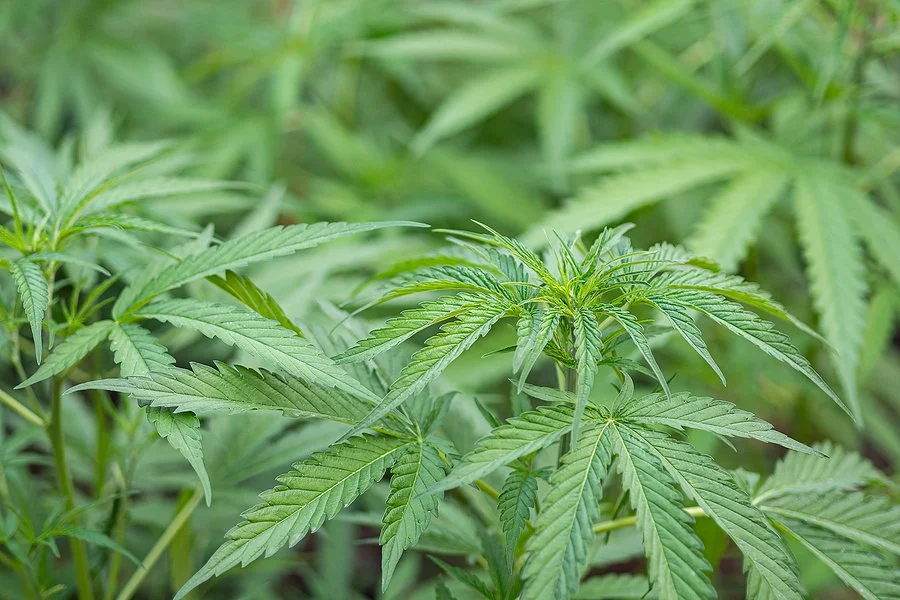
Since Proposition 64 passed in 2016, cultivating up to six marijuana plants for personal use is legal for adults 21 and over in California. Growing beyond that limit, or cultivating with intent to sell outside the licensed market, is charged under Cal. Health & Safety Code § 11358 — and it's generally a misdemeanor now, a dramatic shift from the felony it used to be.
This is a major change that many people, and some officers, still get wrong.
Before Prop 64, cultivating any amount of marijuana was a felony. The law reduced most cultivation offenses to misdemeanors carrying up to six months in county jail and a $500 fine. Only defendants with certain prior serious convictions, registered sex offenders, or those cultivating with environmental violations face felony exposure.
Cultivation covers planting, growing, harvesting, drying, or processing marijuana plants. Under current law, the six-plant personal threshold is the key line separating legal home growing from a criminal charge.
Can I still be charged if I grow more than six plants? Yes. Growing more than six plants without a state license is a misdemeanor under HS 11358 for most adults, punishable by up to six months in jail. Large unlicensed grows can also draw charges for possession for sale of marijuana under Cal. Health & Safety Code § 11359 or sale and transportation under Cal. Health & Safety Code § 11360. These, too, are generally misdemeanors post-Prop 64.
Key insight: We regularly see marijuana cultivation overcharged based on outdated assumptions. Prosecutors sometimes treat a legal or borderline-legal grow as a felony operation. Correcting that misclassification early — before an information is filed — can change the entire trajectory of a case.
If you're facing a cultivation charge, the plant count and your licensing status drive everything. Call (213) 212-5002 for a marijuana cultivation attorney in Los Angeles who knows the post-Prop 64 field.
Manufacturing and Cultivation Penalties Compared
The consequences vary widely depending on the exact charge and substance. This table breaks down the most common manufacturing and cultivation offenses in California.
| Charge | Statute | Classification | Custody Range | Key Factor |
|---|---|---|---|---|
| Manufacturing controlled substance | HS 11379.6 | Felony | 3, 5, or 7 years county jail | Active chemical process; up to $50,000 fine |
| Marijuana cultivation (over 6 plants) | HS 11358 | Misdemeanor | Up to 6 months county jail | Plant count; licensing status |
| Meth possession for sale | HS 11378 | Felony | 16 months, 2, or 3 years county jail | Intent to sell |
| Narcotic possession for sale | HS 11351 | Felony | 2, 3, or 4 years county jail | Intent to sell; quantity |
| Marijuana possession for sale | HS 11359 | Misdemeanor | Up to 6 months county jail | Intent to sell outside licensed market |
Note: Felony terms above are served in county jail under California's realignment law (PC 1170(h)), not state prison, unless a defendant has disqualifying prior serious or violent convictions.
Manufacturing operations that cause injury or fire face significantly higher exposure through great-bodily-injury enhancements and stacked endangerment charges. The base range is just the starting point.
Is Diversion or Probation Available?
For simple possession offenses, pretrial diversion under Cal. Penal Code § 1000 may allow eligible defendants to complete treatment and avoid a conviction. Manufacturing and sales charges are generally not eligible for this program. That said, an aggressive defense can sometimes reduce a manufacturing charge to an offense that opens the door to treatment-based resolutions. Whether that's realistic in your case depends on the specific facts — which is exactly what a consultation clarifies.
Defending Manufacturing and Cultivation Cases in Los Angeles County Courts
Chudnovsky Law defends drug cases in all 23 Los Angeles County criminal court locations, including Van Nuys, Long Beach, Pasadena, Compton, Torrance, Norwalk, East LA, and San Fernando. Knowing the local terrain of each courthouse is part of building a real defense, not just a mailing-address presence.
Serious felony manufacturing cases from central and downtown Los Angeles are typically arraigned and tried at the Clara Shortridge Foltz Criminal Justice Center. Misdemeanor cultivation matters from the same area are usually handled at the Metropolitan Courthouse on S. Hill St. Cases from the eastside route through the East Los Angeles Courthouse, and matters near LAX go to the Airport Courthouse on S. La Cienega Blvd.
Each venue has its own rhythm. Downtown narcotics prosecutors handle high volume and know the enhancement statutes intimately. Suburban courthouses often approach cultivation cases differently, particularly post-Prop 64. An attorney who has appeared across these venues reads the room in ways a newcomer can't.
Beyond the county courts, some drug cases attract federal attention. The DEA Los Angeles Field Division targets larger manufacturing operations, and a federal filing at the Central District of California carries mandatory-minimum exposure far beyond state penalties. Our team's federal experience matters when a case crosses that line.
What most people miss: whether a manufacturing case stays in state court or gets adopted federally often turns on quantity and the involvement of federal agents early in the investigation. Getting ahead of that decision can keep a case in the far less punitive state system.
Your case has a specific home in this system. Call (213) 212-5002 and we'll explain exactly what to expect in your courthouse.
Our Promise to You

When you hire Chudnovsky Law, you get more than a name on a letterhead. We make three concrete commitments to every client facing a manufacturing or cultivation charge.
First, you'll hear from us fast. We answer the phone 24/7, and we return client calls promptly — because in the early days of a case, evidence and opportunities disappear quickly.
Second, an experienced attorney handles your case, not a revolving door of associates. With over 9,000 cases and trials behind our team, and recognition including a Super Lawyers Rating and Top 100 Trial Lawyers by the National Trial Lawyers Association, you get seasoned judgment on your file.
Third, we're transparent about fees. You'll get the fee structure in writing during your free consultation. Many cases are handled on a flat fee, and payment plans are available. No hidden charges, no surprises.
We serve clients throughout Los Angeles County, Orange County, Long Beach, and Santa Monica, with offices in Los Angeles, Newport Beach, Santa Monica, and Long Beach.
The information on this page is for general informational purposes and does not constitute legal advice. Every case is unique, and past results do not guarantee future outcomes. Contact a qualified attorney to discuss your specific situation.
Facing 3 to 7 years and a $50,000 fine is not something to face alone. Call Chudnovsky Law at (213) 212-5002 for a free, confidential consultation. We answer 24/7.
Frequently Asked Questions
Will I go to jail for a drug manufacturing charge in Los Angeles?
A conviction under HS 11379.6 carries 3, 5, or 7 years in county jail, and it's not a wobbler that can be reduced to a misdemeanor. But a charge is not a conviction. Depending on the strength of the evidence, defenses like an illegal search, a broken chain of custody, or flawed lab testing can lead to reduced charges or dismissal. Call (213) 212-5002 to discuss your specific exposure.
How much does a drug manufacturing lawyer cost in Los Angeles?
Your first consultation is free and confidential. Many drug cases are handled on a flat fee so you know the total cost upfront, and we offer payment plans for clients who need them. We'll go over the exact fee structure in writing during your first call — no obligation to hire us.
Is growing marijuana still illegal in California after Prop 64?
Adults 21 and over can legally grow up to six marijuana plants for personal use. Growing more than six plants without a state license is generally a misdemeanor under HS 11358, punishable by up to six months in jail. Certain prior convictions or environmental violations can elevate cultivation to a felony.
What's the difference between manufacturing and possession for sale?
Manufacturing under HS 11379.6 means creating a controlled substance through a chemical process, like meth synthesis or BHO extraction. Possession for sale under HS 11351 or HS 11378 means holding drugs with intent to sell them. Manufacturing carries heavier penalties, and prosecutors sometimes overcharge manufacturing when the evidence only supports possession.
Can a butane hash oil (BHO) operation lead to a felony?
Yes. Extracting concentrated cannabis with butane or another chemical solvent is treated as manufacturing under HS 11379.6, even for personal amounts, and carries a 3-to-7-year felony range. Because these setups can cause fires and explosions, prosecutors often add injury and endangerment charges. This is one of the most common manufacturing prosecutions in Los Angeles.
Can drug manufacturing charges be dismissed?
Charges can be reduced or dismissed when the evidence is weak. Common paths include suppressing evidence from an illegal search, exposing gaps in the chain of custody, or challenging lab testing that fails to prove an active manufacturing process. We evaluate every one of these angles as part of our Chain of Custody Breakdown Protocol.
Will a drug conviction affect my immigration status?
Yes, significantly. A manufacturing conviction is treated as an aggravated felony under federal immigration law, which can trigger mandatory detention and removal for non-citizens. This is why it's critical to have an attorney who considers immigration consequences from the start. We factor your status into every strategic decision.
Could my case be prosecuted in federal court?
Large manufacturing operations, especially those involving the DEA Los Angeles Field Division, can be adopted for federal prosecution in the Central District of California. Federal cases often carry mandatory minimums far harsher than state penalties. Whether a case stays in state court frequently turns on quantity and early federal involvement, which is why acting quickly matters.
What should I do if the police searched my home or car?
Say nothing further and call a lawyer immediately. Much of the evidence in manufacturing cases comes from searches, and if that search violated your Fourth Amendment rights, we can move to suppress the evidence. A successful suppression motion can dismantle the prosecution's case. Preserve any documents and note exactly what happened during the search.
Which courthouse will handle my Los Angeles drug case?
It depends on where the alleged offense occurred and whether it's a felony or misdemeanor. Felony manufacturing cases from central Los Angeles are typically at the Clara Shortridge Foltz Criminal Justice Center downtown, while misdemeanors go to the Metropolitan Courthouse. We defend cases in all 23 Los Angeles County criminal court locations and will tell you exactly where your case stands.
Chudnovsky Law - Los Angeles Office
Address: 1933 S Broadway #1100, Los Angeles, CA 90007, USA
Contact No: (213) 212-5002

“I was arrested on a very serious charge. Fortunately, I came across Chudnovsky Law. Kareem and his team constantly reassured me they would get me the best results possible. And they delivered. Kareem was able to get my case rejected and I’m infinitely grateful to all those who helped in that dire time.”
OSCAR