A felony conviction in Los Angeles County can mean state prison time ranging from 16 months to life, depending on the charge and your criminal history. Under California's Three Strikes law (Cal. Penal Code § 667(e)), a second or third strike felony can double or triple your sentence.
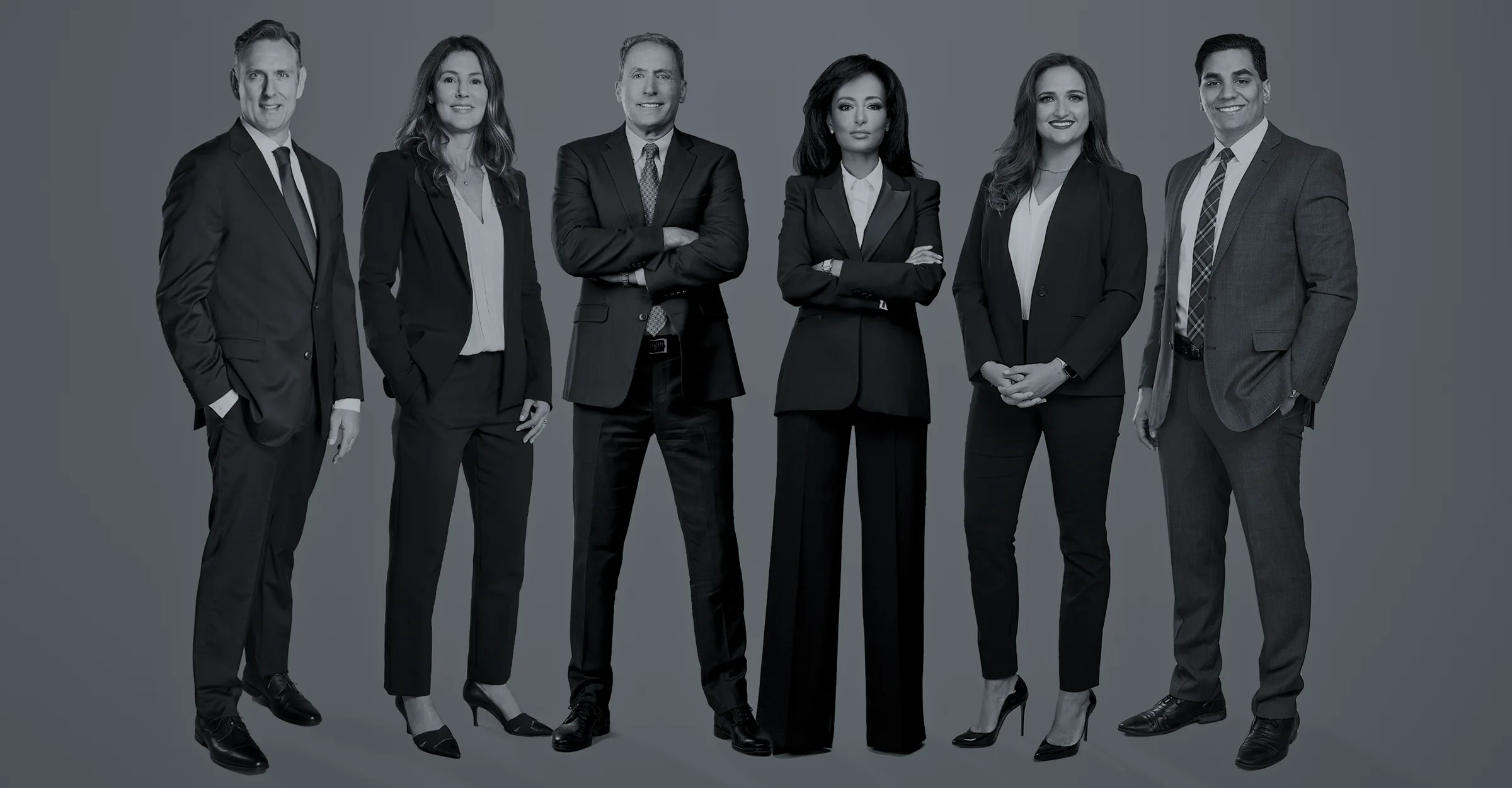
Chudnovsky Law brings over 113 years of combined legal experience and more than 9,000 cases handled to every felony defense. As a Deputy District Attorney who spent years prosecuting criminal cases, Kareem Aref now uses that same prosecutorial insight to dismantle the state's case against you — identifying weaknesses that defense-only attorneys often miss.
Chudnovsky Law attorneys have handled thousands of felony cases across Los Angeles County, Orange County, Long Beach, and Santa Monica. Our team includes experienced prosecutors and DOJ attorneys who know how the government builds cases because they used to build them.
Call (213) 212-5002 for a free, confidential case evaluation. We'll review your charges and explain your defense options during your first call.
On This Page:
- What makes a felony in California
- Real consequences of a conviction
- The Prosecution Playbook Reversal
- Common felony charges in LA
- Felony vs. misdemeanor comparison
- Los Angeles court guide
- Building your defense strategy
- Cost of felony defense
- Our commitments to you
- Frequently asked questions

What Makes a Crime a Felony in California?
A felony is any criminal offense punishable by imprisonment in California state prison for one year or more. It is the most serious category of crime under state law, carrying consequences that extend far beyond the sentence itself. In contrast, a misdemeanor carries a maximum of one year in county jail.

But here's what catches many people off guard: a large number of California offenses are classified as wobblers. A wobbler is a crime that prosecutors can charge as either a felony or a misdemeanor, depending on the facts and your prior record. Under Cal. Penal Code § 17(b), a judge can also reduce a wobbler felony to a misdemeanor at sentencing or even after probation is completed. This means your attorney's ability to argue for a reduction can literally change the trajectory of your life.
Kareem Aref's experience on both sides of the courtroom — first as a prosecutor, now as a defense attorney — gives him direct knowledge of how charging decisions get made. Prosecutors weigh case strength, public pressure, and office policy when deciding whether to file a wobbler as a felony. Knowing those internal calculations gives our defense team an advantage most attorneys simply don't have.
If you've been charged with a felony or learned you're under investigation, call (213) 212-5002. We offer a free, no-obligation consultation where we'll review your situation and discuss your fee options upfront.

Call (213) 212-5002 for a Free Consultation
If you are looking to hire a drunk driving lawyer, we invite you to call (213) 212-5002 for a Free consultation.
What Are the Real Consequences of a Felony Conviction in Los Angeles?
A felony conviction doesn't end when you leave the courtroom. It follows you for the rest of your life. The penalties extend well beyond prison time, and most people don't fully understand how far-reaching the damage can be until they're living it.
Here's what's actually at stake:
Prison time. California felonies carry sentences from 16 months to life in state prison. Many offenses use a sentencing triad — for example, a charge might carry 2, 3, or 4 years, with the court selecting based on aggravating or mitigating circumstances. Violent felonies and strike offenses carry dramatically longer sentences.
Three Strikes enhancement. Under California's Three Strikes law (Cal. Penal Code § 1170.12), a second strike doubles your sentence. A third strike for a serious or violent felony can result in 25 years to life. And prior strikes never expire — a conviction from decades ago still counts.
Loss of firearm rights. A felony conviction means a permanent ban on owning or possessing firearms under both California and federal law. There is no exception and no easy path to restoration.
Employment destruction. California's "Ban the Box" law limits when employers can ask about criminal history, but a felony conviction still shows up on background checks. Entire industries — healthcare, education, finance, law enforcement, and government — are effectively closed off.
Immigration consequences. For non-citizens, certain felonies trigger mandatory deportation, denial of naturalization, or inadmissibility. An aggravated felony under federal immigration law can make you permanently deportable with almost no relief available.
Professional license jeopardy. Doctors, nurses, pharmacists, real estate agents, contractors, and other licensed professionals face disciplinary action from their licensing boards — up to and including permanent revocation.
Voting and jury rights. You lose the right to vote while incarcerated or on parole in California. Jury service eligibility is also revoked.
Housing barriers. Landlords routinely run background checks. A felony conviction can disqualify you from most rental housing and all public housing programs.
This isn't meant to frighten you. It's meant to show you why the quality of your defense matters more than almost anything else happening in your life right now. Every one of these consequences is avoidable with the right defense strategy — reduced charges, dismissed counts, alternative sentencing, or acquittal at trial.
How Does the Prosecution Playbook Reversal Work for Felony Cases?
Most defense attorneys only see one side of the courtroom. Chudnovsky Law sees both. Our team includes experienced prosecutors and DOJ Deputy Attorneys General who spent years on the government's side before switching to defense. That experience is the foundation of The Prosecution Playbook Reversal — our systematic approach to dismantling felony cases from the inside out.
Step 1: Charging Document Deconstruction — Finding What the DA Overcharged. Prosecutors in Los Angeles County file tens of thousands of criminal cases each year. In that volume, overcharging is common. The DA's office often stacks multiple counts or files at the felony level to create plea bargaining use — not because they can prove every charge beyond a reasonable doubt. Our team, having defended more than 9,000 cases, reverse-engineers the charging strategy to identify which counts were filed for pressure rather than conviction. We target those first.
Step 2: Brady Material Extraction — Uncovering What the Prosecution Is Hiding. Brady material refers to any evidence favorable to the defense that the prosecution is legally required to disclose. This comes from the landmark Supreme Court case Brady v. Maryland. In practice, exculpatory evidence sometimes gets buried in massive case files or withheld entirely. With Gillian Friedman's 22 years prosecuting cases as a DOJ Deputy Attorney General, our team knows exactly where favorable evidence tends to hide — and we force it into the open before trial.
Step 3: Discovery File Pattern Recognition — Spotting Weaknesses the Prosecution Missed. Volume teaches you things that no law school course can. After defending over 9,000 cases, we've reviewed enough prosecution files to recognize patterns instantly — gaps in forensic analysis, inconsistencies in witness statements, procedural shortcuts in police reports. These patterns often reveal weak links in the state's case that a less experienced attorney might overlook.
Step 4: Plea Architecture vs. Trial Warfare — Controlling the Negotiation or the Courtroom. Not every case should go to trial. Not every case should plead out. The skill is knowing which path gives you the strongest outcome. Backed by over 100 jury trials, we design plea negotiations that force the prosecution to justify its case — or we take the case to trial prepared to win. Our team's prosecutorial background means we've already mapped their strategy before they present it.
Step 5: Sentencing Departure Engineering — Reducing Exposure When Conviction Is Unavoidable. Even in worst-case scenarios, the sentence isn't predetermined. Judges have discretion. Our attorneys know which mitigating factors judges actually weigh — mental health history, family circumstances, employment stability, community ties, rehabilitation efforts. We build mitigation narratives that prosecutors can't anticipate because they've never sat on the defense side of the table.
What Felony Charges Do We Defend in Los Angeles?
Los Angeles County sees an enormous range of felony charges. Our team handles all of them, but certain categories make up the majority of cases we defend.
Violent Felonies
Murder and manslaughter, attempted murder, assault with a deadly weapon, robbery, carjacking, kidnapping, and domestic violence causing great bodily injury. These carry the longest sentences and are most likely to qualify as strike offenses under Three Strikes.
Drug Felonies
Possession with intent to distribute, drug trafficking, manufacturing and cultivation, drug conspiracy, and prescription fraud. Federal drug charges under 21 U.S.C. § 841 carry mandatory minimum sentences that California state charges do not — a critical distinction when determining defense strategy.
White Collar and Financial Felonies
Wire fraud (18 U.S.C. § 1343), embezzlement, money laundering (18 U.S.C. § 1956), tax evasion, identity theft, and RICO charges. These cases often involve years of investigation and thousands of documents. David Stein, a partner at the firm who specializes in white collar defense, brings investigative skills that allow us to match the government's case document by document.
Sex Crimes
Sexual assault, statutory rape, lewd conduct, child pornography possession or distribution, and failure to register as a sex offender. These charges carry severe prison time plus lifetime sex offender registration — a consequence that restricts where you can live, work, and travel for the rest of your life.
Weapons Felonies
Felon in possession of a firearm (18 U.S.C. § 922(g) at the federal level), carrying a concealed weapon, assault with a firearm, and weapons trafficking. Federal firearms charges often carry mandatory minimums that leave judges with limited sentencing discretion.
Approximately 90-95% of criminal cases resolve through plea agreements. That statistic sounds discouraging, but it actually underscores why your attorney's negotiation skill matters just as much as trial ability. A well-structured plea can mean the difference between prison and probation, between a felony record and a misdemeanor conviction.
How Are Felony and Misdemeanor Charges Different in California?
Understanding the difference between a felony and misdemeanor isn't just academic — it determines everything from where you serve your sentence to whether you can ever vote again.
| Factor | Misdemeanor | Felony |
|---|---|---|
| Maximum Incarceration | Up to 1 year in county jail | 16 months to life in state prison |
| Court of Jurisdiction | Superior Court (misdemeanor division) | Superior Court (felony division) |
| Preliminary Hearing | Not required | Required — prosecution must show probable cause |
| Jury Size | 12 jurors | 12 jurors |
| Right to Attorney at Arraignment | Yes | Yes |
| Three Strikes Eligibility | No | Yes (serious or violent felonies) |
| Firearm Rights | Restricted for some offenses | Permanently revoked |
| Voting Rights While Incarcerated | Retained | Lost during incarceration/parole |
| Professional License Impact | Possible discipline | Likely suspension or revocation |
| Immigration Consequences | Possible | Severe — potential deportation |
| Expungement Availability | Generally eligible under PC 1203.4 | Eligible for some offenses after probation |
The wobbler category is where aggressive defense work pays off most. If your charge qualifies as a wobbler, we fight to get it reduced to a misdemeanor — either at the charging stage, during plea negotiations, at sentencing, or post-conviction under Cal. Penal Code § 17(b). Each of these reduction points requires a different legal argument, and missing any of them means a missed opportunity.
Where Will Your Felony Case Be Heard in Los Angeles County?
Los Angeles County is the largest county in the nation, and its court system reflects that size. Where your case is filed affects everything from which judges you'll appear before to how quickly your case moves through the system.
Clara Shortridge Foltz Criminal Justice Center (Downtown LA) — This is the central criminal courthouse, located at 210 West Temple Street. Most serious felonies originating in central Los Angeles are processed here. The courthouse handles a massive volume of cases, which can mean longer wait times but also a wider range of judicial temperaments.
Airport Courthouse (Santa Monica/LAX area) — Covers cases arising near LAX and the Westside, including Santa Monica, Malibu, Pacific Palisades, and Venice. Cases from the I-10 corridor and Pacific Coast Highway frequently end up here. Located at 11701 S. La Cienega Boulevard.
Long Beach Courthouse — Handles felony cases from Long Beach, Signal Hill, and surrounding areas. Our Long Beach office gives us daily familiarity with the procedures and personnel here.
Van Nuys Courthouse (San Fernando Valley) — One of the busiest courthouses in the county, handling felonies from the entire San Fernando Valley.
Compton Courthouse — Serves South Los Angeles communities. High-volume court with significant gang-related and violent felony caseloads.
Key insight: Each courthouse has its own local rules, its own judicial preferences, and its own prosecution team. A defense attorney who practices regularly in the courthouse where your case is filed has a meaningful advantage — they know which arguments resonate with specific judges, which prosecutors are open to negotiation, and which procedural details can make or break a motion. Our firm's offices in Los Angeles, Long Beach, Santa Monica, and Newport Beach give us consistent presence across these courthouses.
How long does a felony case take to resolve in LA County? The timeline varies significantly based on complexity. A straightforward felony with a plea resolution might conclude in 2-4 months. Cases going to preliminary hearing and trial can take 6-18 months or longer. Cases involving forensic evidence, multiple defendants, or federal crossover can stretch beyond two years.
| Case Phase | Typical Timeline | What Happens | What You Should Do |
|---|---|---|---|
| Arrest to Arraignment | 48 hours (if in custody) | Charges read, bail set, plea entered | Say nothing to police — call an attorney immediately |
| Pre-Preliminary Hearing | 2-6 weeks | Discovery exchange, investigation, motions | Provide your attorney with all relevant information |
| Preliminary Hearing | 1-2 days (hearing itself) | Prosecution presents probable cause; judge decides if case proceeds | Your attorney cross-examines witnesses and challenges evidence |
| Pre-Trial Motions | 1-4 months | Motions to suppress, dismiss, exclude evidence | Attend all court dates; stay in communication with your lawyer |
| Plea Negotiations | Ongoing throughout | Attorney negotiates with prosecution for reduced charges or sentencing | Understand all options before accepting any offer |
| Trial | 3-15 days (trial itself) | Jury selection, evidence presentation, verdict | Be present, prepared, and trust your defense team |
| Sentencing | 2-6 weeks after verdict | Judge imposes sentence; mitigation arguments presented | Provide character references and proof of rehabilitation |
What Defense Strategies Apply to Los Angeles Felony Charges?
Every felony case has pressure points — places where the prosecution's case is weakest. The question is whether your attorney knows how to find them.
Constitutional violations. The Fourth Amendment protects you from unreasonable searches and seizures. If police searched your car, home, or person without a valid warrant or recognized exception, any evidence obtained may be suppressed. A motion to suppress asks the judge to exclude illegally obtained evidence from trial. Without that evidence, the prosecution's case may collapse entirely.
Witness credibility attacks. Eyewitness identification is notoriously unreliable — studies consistently show that cross-racial identifications are wrong roughly 40% of the time. If the prosecution's case relies heavily on eyewitness testimony, we challenge the conditions under which the identification was made: lighting, distance, stress level, time elapsed, and whether police used suggestive lineup procedures.
Forensic evidence challenges. DNA, fingerprints, blood alcohol content, and digital forensics all sound ironclad. They're not. Lab contamination, broken chain of custody, calibration failures, and human error plague forensic evidence across the country. We retain independent experts to review the prosecution's forensic claims and challenge them where the science doesn't hold up.
Affirmative defenses. Self-defense, defense of others, duress, entitlement, and mistaken identity are all affirmative defenses that can result in acquittal. California's self-defense laws, including the castle doctrine, provide broad protection for people who use reasonable force to defend themselves in their own home.
Prosecutorial overreach. Prosecutors sometimes file charges they can't prove to gain plea use — a practice known informally as "overcharging." Under Cal. Penal Code § 1385, a judge can dismiss charges "in furtherance of justice" when the interests of justice demand it. We file these motions aggressively when the facts support them.
Not sure which defenses apply to your case? That's what the free consultation is for. We'll review your charges, the evidence, and the circumstances — then give you a direct assessment of your strongest options.
How Much Does It Cost to Hire a Felony Defense Attorney in Los Angeles?
Cost is one of the first questions people ask, and it should be. You're facing a life-altering situation and you need to understand the financial commitment before moving forward.
At Chudnovsky Law, many felony defense cases are handled on a flat fee so you know the total cost before you retain us. This means no surprises, no hourly billing that spirals out of control, and no uncertainty about what the representation will cost. For more complex cases — those involving multiple charges, federal crossover, or lengthy trial preparation — we discuss the fee structure in detail during your initial consultation and put everything in writing.
Your first consultation is always free. No obligation, no pressure, no commitment. We listen to your situation, explain your options, and discuss the fee arrangement before you make any decisions.
We also offer payment plans to make quality defense accessible. The cost of a felony conviction — lost income, lost opportunities, prison time — dwarfs the cost of a strong defense. Going without experienced representation is rarely the cheaper path.
Approximately 71% of state prisoners are rearrested within five years of release (Bureau of Justice Statistics, 2005-2010 cohort). That number reflects what happens when people cycle through the system without adequate defense from the start. Investing in the right defense now can prevent years of consequences.
What Three Commitments Does Chudnovsky Law Make to Every Felony Client?

We don't make vague promises about "fighting for you." We make specific, verifiable commitments about how we handle your case:
Commitment 1: You will hear from your attorney directly. Your case will not be passed to a paralegal or junior associate who handles everything while the named attorney collects the fee. Kareem Aref and the attorney assigned to your case will communicate with you personally, return your calls within one business day, and keep you informed at every stage.
Commitment 2: Your fee structure will be transparent and in writing. Before you retain us, you'll know exactly what the representation costs. We use flat-fee arrangements for most felony cases and discuss any variable factors upfront. There are no hidden charges and no billing surprises.
Commitment 3: Your defense will be built on insider knowledge, not guesswork. Our team includes attorneys who worked as prosecutors and DOJ Deputy Attorneys General. Robert Weinberg served as a Deputy District Attorney in Orange County and has tried more than 100 jury trials. This is not theoretical knowledge — it's the actual experience of having built prosecution cases and knowing where they break down.
Our multilingual team also serves clients in Spanish, French, Italian, Amharic, Hebrew, and Portuguese — because the stress of felony charges shouldn't be compounded by a language barrier.
Can a Felony Be Reduced to a Misdemeanor or Expunged in California?
Yes — and this is one of the most overlooked areas of felony defense. Post-conviction relief can fundamentally change your future, even after a conviction.
Wobbler reduction under PC 17(b). If your felony conviction was for a wobbler offense, you may petition the court to reduce it to a misdemeanor. Timing matters — you can request this at sentencing, after successful completion of probation, or at any time during probation. A reduction restores your firearm rights, eliminates the felony from your record for most employment purposes, and removes the strike designation if applicable.
Expungement under PC 1203.4. Expungement in California technically means a "dismissal" of the conviction after probation. You withdraw your guilty or no contest plea, the court enters a not guilty plea, and the case is dismissed. This doesn't erase the conviction entirely — it still appears on certain background checks for law enforcement and professional licensing — but it allows you to legally state that you have not been convicted of the offense on most job applications.
Certificate of Rehabilitation. For felonies that resulted in prison time (not eligible for PC 1203.4), a Certificate of Rehabilitation is an alternative. It serves as an automatic application for a gubernatorial pardon and demonstrates rehabilitation to courts, licensing boards, and employers.
Key insight: Many people don't realize these options exist, or they believe they have to wait years before pursuing them. In many cases, we can begin the process immediately after probation begins. Early action gives you more options.
If you have a prior felony conviction and want to explore reduction or expungement, call (213) 212-5002. We review post-conviction cases for free.
Felony Investigation Checklist: What to Do Before Charges Are Filed
If you suspect you're under investigation — a detective called, agents visited your home, or a grand jury subpoena arrived — what you do right now determines the strength of your defense later. Evidence degrades. Witnesses forget. And anything you say to investigators can be used against you.
Do not speak to investigators without an attorney present. This is your Fifth Amendment right. Exercising it cannot be used against you. Cooperating without legal guidance almost always hurts your case.
Preserve all relevant documents and communications. Text messages, emails, financial records, security camera footage — anything potentially relevant should be preserved. Deleting evidence after learning of an investigation can result in separate obstruction charges.
Document your whereabouts and contacts. If the investigation relates to events on specific dates, begin compiling your own timeline with supporting evidence — receipts, GPS data, phone records, photos with timestamps.
Contact a defense attorney immediately. Pre-charge intervention is one of the most powerful tools in criminal defense. We've successfully convinced prosecutors not to file charges, to file at reduced levels, or to refer cases to diversion programs — all before any formal charges were brought. Once charges are filed, your options narrow.
A Note About the Stakes
The information on this page is for general informational purposes and does not constitute legal advice. Every case is unique — past results do not guarantee future outcomes. Contact a qualified attorney to discuss your specific situation.
Felony charges reshape lives. They affect your family, your career, your freedom, and your future in ways that are difficult to fully grasp until you're living through them. You don't have to face this alone, and you don't have to figure it out by yourself.
Chudnovsky Law has offices in Los Angeles, Newport Beach, Long Beach, and Santa Monica. Our eight-attorney team has been recognized as Top 100 Trial Lawyers by the National Trial Lawyers Association, earned a 10.0 rating on AVVO, and holds 5-star peer reviews on Martindale-Hubbell. We bring the weight of over 9,000 cases and a century of combined experience to your defense.
Call (213) 212-5002 today for a free, confidential consultation. We'll listen to your situation, explain your charges, and outline a defense strategy — all before you make any commitment. Court deadlines move fast. The sooner we begin, the stronger the defense we can build.
Frequently Asked Questions
Will I go to jail if I'm convicted of a felony in Los Angeles?
Jail or prison time is possible but not certain for every felony conviction. Many felony convictions result in probation, alternative sentencing, or reduced charges that avoid incarceration entirely. The outcome depends on the specific charge, your criminal history, and the strength of your defense. Our team works to pursue every available option to keep you out of custody.
How much does a felony defense attorney cost in Los Angeles?
At Chudnovsky Law, many felony cases are handled on a flat fee so you know the total cost upfront. More complex cases are discussed individually, and we put the fee arrangement in writing before you retain us. Your initial consultation is always free, and we offer payment plans to make representation accessible.
What is the difference between a felony and a misdemeanor in California?
A felony carries a potential sentence of one year or more in state prison, while a misdemeanor carries up to one year in county jail. Felonies also trigger permanent firearm restrictions, potential loss of voting rights, and severe impacts on employment, housing, and immigration status. Many charges are "wobblers" that can be filed as either, which is where defense strategy matters most.
Can a felony be reduced to a misdemeanor in California?
Yes, if the offense qualifies as a wobbler under California law. Cal. Penal Code § 17(b) allows a judge to reduce a wobbler felony to a misdemeanor at sentencing, during probation, or after probation is completed. This can restore firearm rights, remove a strike from your record, and change how the conviction appears on background checks.
What happens at a preliminary hearing for a felony in LA County?
The preliminary hearing is where a judge determines whether the prosecution has enough evidence — probable cause — to proceed to trial. The prosecution presents witnesses and evidence, and your defense attorney has the right to cross-examine those witnesses and challenge the evidence. If the judge finds insufficient probable cause, the charges can be dismissed. This hearing is a critical defense opportunity.
Should I talk to police if I'm suspected of a felony?
No. You have an absolute right to remain silent under the Fifth Amendment and a right to an attorney under the Sixth Amendment. Anything you say to police can and will be used against you. Politely decline to answer questions and ask to speak with your attorney. This cannot be held against you in court.
How long does a felony case take in Los Angeles County?
Simple felony cases that resolve through plea negotiations can conclude in 2-4 months. Cases that proceed to preliminary hearing and trial typically take 6-18 months. Complex cases involving extensive forensic evidence, multiple defendants, or federal jurisdiction can take two years or longer. The timeline also depends on court congestion at the specific courthouse where your case is filed.
Can I get a felony expunged from my record in California?
California allows dismissal of felony convictions under Cal. Penal Code § 1203.4 after successful completion of probation. This doesn't fully erase the record, but it allows you to legally state you have not been convicted on most job applications. Certain felonies are eligible for reduction to misdemeanor first, which improves your long-term record. We offer free consultations to evaluate your expungement eligibility.
What is California's Three Strikes law and how does it affect felony sentencing?
Under Cal. Penal Code § 667(e) and § 1170.12, a second strike felony doubles the standard prison sentence, and a third strike for a serious or violent felony can result in 25 years to life. Strikes never expire. Even decades-old convictions count. If you have prior strikes, the stakes of a new felony charge are dramatically higher, making aggressive defense preparation critical.
What if I'm charged with a felony but I'm innocent?
Innocence is one of the strongest positions in criminal defense, but it must be proven through effective strategy — not just stated. We investigate independently, identify alibi evidence, challenge forensic claims, and expose weaknesses in witness testimony. Our team has the trial experience — more than 100 jury trials — to take wrongful charges to a jury and fight for acquittal rather than accept an unjust plea deal.
Chudnovsky Law - Los Angeles Office
Address: 1933 S Broadway #1100, Los Angeles, CA 90007, USA
Contact No: (213) 212-5002

“My loved one was in serious trouble with their life on the line. I am convinced that they could have spent years in prison with a lesser attorney. Kareem is the best criminal defense lawyer and an advisor you can trust 100%. When terrible things happen, you need a real warrior, friend, and professional attorney by your side. That is exactly what you get with Kareem. This serious felony case was a long and arduous process. But Mr Aref walked us through it with wisdom and grace. He is honest, respected by the Los Angeles DA’s office, and knows the law better than anyone else in the room. He secured a full dismissal and gave me my loved one back…We are forever indebted to Kareem and this law firm. THANK YOU!! 🙏 ♥️ 🙏”
MARK