A bench warrant in Los Angeles doesn't expire, and it won't go away on its own. It sits in the system until an officer runs your name at a traffic stop, the airport, or a routine background check — then you're in handcuffs.
The fastest way to protect yourself is to file a motion to recall and quash the warrant before you're arrested, often without you ever setting foot in a cell. As a former Deputy District Attorney who spent years on the prosecution side, Kareem Aref knows exactly how the court treats these warrants and how to get in front of a judge quickly.
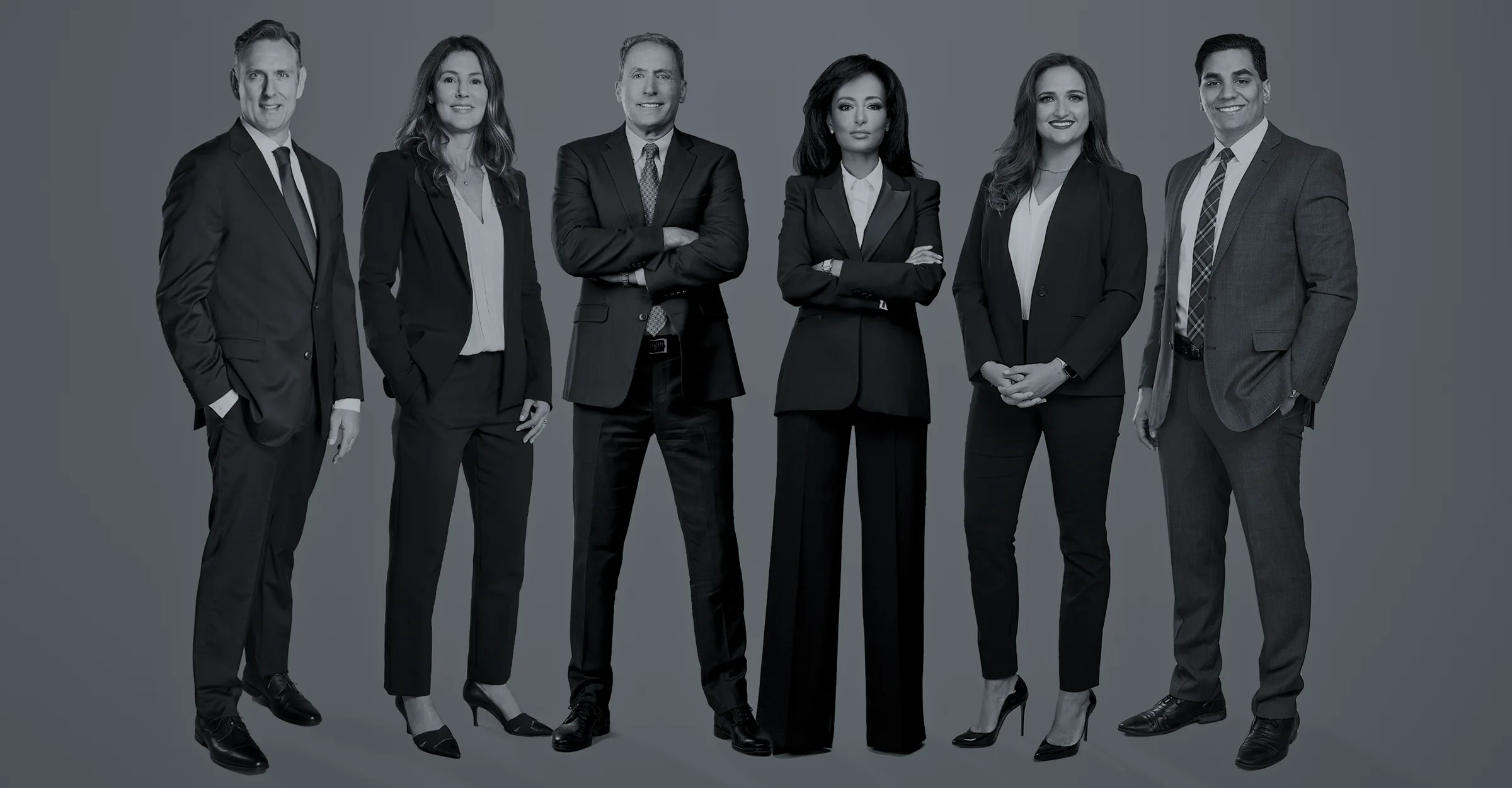
Chudnovsky Law brings over 113 years of combined criminal experience and more than 9,000 cases handled to warrant recall matters across Los Angeles County. We defend clients in all 23 criminal court locations in the county, from the Clara Shortridge Foltz Criminal Justice Center downtown to outlying courthouses. If you have an active bench warrant, call (213) 212-5002 today for a free, confidential consultation — we can often start the recall process the same day.
On This Page:
- What a bench warrant means
- Recalling your warrant fast
- Failure to appear consequences
- The Prosecution Playbook Reversal
- Warrant outcomes compared
- LA courthouses and procedures
- Our promises to you
- Frequently asked questions

What Exactly Is a Bench Warrant, and How Is It Different From a Failure to Appear?

A bench warrant is an order issued by a judge — from the bench — directing law enforcement to arrest a specific person and bring them to court. Unlike an arrest warrant tied to a new crime, a bench warrant is usually issued because you missed a court obligation you already had. Miss a hearing, skip a probation check-in, forget a payment deadline, or fail to complete a court-ordered class, and the judge can issue one on the spot.
Here's the part that catches people off guard. The warrant follows you everywhere. It's entered into statewide and national databases, so a speeding ticket in Bakersfield or a job background check can surface a warrant issued years ago in downtown LA.
What is failure to appear in California? Failure to appear (FTA) is the act of not showing up for a required court date. It can be charged as its own offense under state law, separate from whatever brought you to court in the first place. If your original case was a misdemeanor, the FTA is typically a misdemeanor; if it was a felony, the FTA can be charged as a felony carrying additional custody exposure.
So the FTA is the conduct, and the bench warrant is the court's response. One creates the other. When we handle these matters, we address both — recalling the warrant and resolving or defending against any new failure-to-appear charge that came with it.
Quash means to void or set aside. When a judge recalls and quashes a bench warrant, the warrant is canceled and removed from the active database, so you're no longer subject to arrest on it.
Key insight: Most people assume a bench warrant means they're now a fugitive facing serious criminal charges. In reality, the underlying reason is often something minor — a missed traffic arraignment or an unpaid fine — and the warrant can frequently be resolved with a single, well-prepared court appearance by your attorney.
If you're not sure whether you have a warrant, we can check for you. Call (213) 212-5002 and we'll tell you where you stand.
How Do You Recall a Bench Warrant in Los Angeles Fast?
The fastest route to recalling a bench warrant in Los Angeles is a motion to recall and quash filed in the same courthouse that issued it, often with your attorney appearing on your behalf so you don't have to surrender into custody. Under Cal. Penal Code § 1385, a judge has the authority to dismiss the warrant in the interest of justice — and a strong recall motion gives the court a reason to do exactly that.
But timing matters more than most people realize. Every day the warrant stays active is another day you can be arrested — at a traffic stop, at LAX, or during a background check.
Filing the Motion to Recall and Quash
We prepare a written motion explaining why you missed the original date and why the warrant should be recalled. Common valid reasons include a medical emergency, never receiving proper notice of the hearing, a scheduling error, being in custody elsewhere, or a good-faith misunderstanding of the date. Documentation strengthens the motion — hospital records, work records, or proof of a corrected address all help.
For many misdemeanor cases, Cal. Penal Code § 977 allows an attorney to appear for the defendant, meaning you may not need to be physically present when we ask the judge to lift the warrant. This is one of the biggest advantages of having counsel — the outcome you fear (arrest) can be avoided by the very act of addressing the problem.
What Happens at the Recall Hearing
At the hearing, the judge considers your explanation, your history with the court, and whether you pose a flight risk. Misdemeanor bench warrants are recalled far more routinely than felony warrants, where the judge may require you to appear in person and reset bail. If the warrant is recalled, your original case is reinstated on the calendar and we move to resolve it.
Worried the court will simply lock you up the moment you show interest? That's precisely why you send an attorney first. We test the waters, argue the recall, and position your appearance so the judge sees a person taking responsibility — not a flight risk.
Call (213) 212-5002 and we'll explain exactly how the recall works for your specific courthouse and charge — no pressure, just straight answers.
What Are the Real Consequences of a Failure to Appear in California?
Ignoring a bench warrant turns a manageable problem into a serious one. A failure to appear can be charged as a new criminal offense on top of your original case, and if you were on bail, the court can forfeit your bond and add jail exposure. The consequences compound the longer you wait.
Here's what people underestimate: the warrant doesn't just risk arrest. It can suspend your driver's license, wreck your ability to pass a background check, and — for non-citizens — trigger immigration consequences that outlast the criminal case entirely.
License Suspension and DMV Holds
When you fail to appear on a traffic or misdemeanor matter, the court can notify the California DMV to suspend or hold your license. You may not even learn about it until you try to renew. Driving on a suspended license is itself a chargeable offense, which stacks another count onto an already growing problem.
Bail Forfeiture and Increased Custody Exposure
If you posted bail and then missed court, the judge can forfeit the bond — meaning you or your bail agent lose the money — and issue the warrant. Getting the forfeiture set aside requires prompt action and a credible explanation. The longer the delay, the harder it becomes.
Immigration and Employment Fallout
For non-citizens, an outstanding warrant and a failure-to-appear charge can complicate any immigration matter, including green card renewals and naturalization. Grounds of removability and inadmissibility are governed by federal law under 8 U.S.C. § 1227, and a criminal case that spins out of control can create problems that were entirely avoidable. Employers running background checks will also see the warrant, which can cost you a job offer.
Approximately 1.0 million people are arrested for driving under the influence annually (FBI Uniform Crime Report, 2022) — and a large share of the bench warrants we handle trace back to missed DUI arraignments and progress reviews. A single missed date can undo months of compliance.
Court deadlines don't wait, and the exposure only grows. The sooner we begin, the more options remain open. Call (213) 212-5002 to protect what you've already built.
The Prosecution Playbook Reversal: How We Attack Warrant and FTA Cases

We use a defense method we call The Prosecution Playbook Reversal — applying our team's insider knowledge of how the government builds and pursues cases to dismantle the state's position from the inside out. For bench warrant and failure-to-appear matters, that means understanding exactly what a judge and prosecutor are looking for before we ever walk into the courtroom.
Having defended over 9,000 cases, we've seen how these situations play out across every LA County courthouse. Here's how the framework applies to your warrant.
Charging Document Deconstruction
We reverse-engineer why the warrant and any FTA charge were filed. Sometimes a failure-to-appear count is added for use — to pressure a plea on the underlying case. We identify which pieces exist to negotiate and which the prosecution can actually prove, then work to strip away the counts filed for use rather than conviction.
Discovery File Pattern Recognition
With thousands of prior matters behind us, we recognize the tell-tale gaps in a case file — no proof of proper notice, a wrong address on record, a clerical error in the minute order. In many FTA cases, the court's own records show the defendant was never properly notified of the hearing date, which undercuts the willfulness required to prove failure to appear. As a former prosecutor, Kareem Aref knows where those weaknesses hide and how to surface them.
Plea Architecture Versus Trial Warfare
Backed by more than 100 jury trials among our attorneys, we approach negotiations from a position of strength. If the prosecution can't establish that your absence was willful, we press that point. Where a resolution makes sense, we structure it to close out the warrant, the FTA, and the underlying case together — so you walk away with the whole matter behind you.
Sentencing Departure Engineering
When some consequence is unavoidable, we build the mitigation narrative that judges actually respond to — showing responsibility, life circumstances, and a concrete plan to comply going forward. Our government-trained attorneys know which factors move a judge because they've sat on the other side of the bench.
Call (213) 212-5002 to put this approach to work on your case. The first consultation is free and completely confidential.
Bench Warrant Outcomes: What Recall Looks Like by Situation
Every warrant is different, but the path forward usually falls into a handful of scenarios. The table below shows how these matters typically resolve based on the type of case and how quickly you act. These are general outcome patterns from our experience, not guarantees — every case turns on its own facts.
| Warrant Situation | Typical Court Response | Can Attorney Appear For You? | Best First Step |
|---|---|---|---|
| Missed misdemeanor traffic arraignment | Recall and reinstate case | Often yes (PC 977) | File motion to recall and quash |
| Missed misdemeanor DUI review | Recall, possible bail reset | Sometimes | Recall motion with compliance proof |
| Probation violation warrant | Recall with revocation hearing | Case-dependent | Prepare mitigation before appearing |
| Felony failure to appear | Judge often requires presence | Rarely | Coordinate a planned surrender |
| Warrant from clerical/notice error | Recall on lack of willfulness | Often yes | Present court records showing no notice |
Roughly 71% of state prisoners are rearrested within five years of release (BJS, 2005–2010 cohort), which is a large part of why judges take compliance seriously — but it's also why demonstrating stability and responsibility at the recall hearing carries real weight. We build that showing for you.
The takeaway: acting early, with counsel, keeps almost every one of these paths open. Waiting narrows them.
Defending in the Los Angeles County Superior Court System
Los Angeles County runs the largest trial court system in the nation, and bench warrant procedures vary by courthouse. Knowing which building issued your warrant — and how that specific court handles recalls — is half the battle. Your warrant must generally be recalled in the same courthouse and often the same division that issued it.
Downtown, felony matters and their warrants often run through the Clara Shortridge Foltz Criminal Justice Center at 210 W. Temple Street, the county's largest felony courthouse near the Civic Center and the 101 freeway. Misdemeanor warrants for the central area are often handled at the Metropolitan Courthouse on South Hill Street. For the Eastside, the East Los Angeles Courthouse on Civic Center Way handles many local matters, and cases from the westside and areas near LAX may route through the Airport Courthouse on South La Cienega Boulevard — which, despite its name, sits near the airport rather than in the beach cities it serves.
Why Local Court Knowledge Changes Outcomes
Each courtroom has its own calendar rhythms and its own expectations for what a recall motion should contain. A judge at the Foltz Criminal Justice Center handling a felony warrant will approach the matter very differently than a commissioner clearing a misdemeanor traffic calendar at the Metropolitan Courthouse. Knowing those tendencies lets us prepare the right motion, bring the right documentation, and appear on the right calendar the first time.
Chudnovsky Law defends cases in all 23 Los Angeles County criminal court locations, including Van Nuys, Long Beach, Pasadena, Torrance, Norwalk, Glendale, San Fernando, Compton, Inglewood, and Burbank. Wherever your warrant was issued, we can appear there.
What if my warrant is from a different county? If you have an LA warrant but now live elsewhere, we can often still handle the recall through an attorney appearance, sparing you a return trip and the risk of arrest along the way. The specifics depend on the charge level and the issuing court, which we'll confirm during your consultation.
The Los Angeles County Sheriff's Department and local police can serve a bench warrant at any time. Don't wait for that knock. Call (213) 212-5002.
What Does It Cost to Hire a Bench Warrant Attorney in Los Angeles?
The honest answer: far less than the cost of an arrest, lost job, or forfeited bail. Your first consultation with Chudnovsky Law is free and confidential, and warrant recall matters are handled on a flat fee so you know the full cost before you retain us. We'll discuss the exact fee structure during your first call — no surprises.
Here's the objection we hear most: "I can't afford a lawyer right now." We understand. But going without representation on a warrant rarely saves money. A missed recall can lead to arrest, bail you have to post, missed work, and a suspended license that costs even more to reinstate.
For clients who need it, we offer payment plans to make representation accessible. We'll go over arrangements openly during your consultation. What we never do is condition our fee on the outcome of your case — that's not how criminal defense works, and any firm suggesting otherwise isn't being straight with you.
Worried about cost? That's exactly what the free consultation is for. Call (213) 212-5002 and we'll tell you what your situation involves and what it will take to fix it. Many clients are relieved to learn how straightforward and affordable resolving a warrant can be.
The Chudnovsky Law Promise

When you're carrying an active warrant, the not-knowing when you may be arrested is the worst part. We remove that uncertainty with three concrete commitments.
First, we respond quickly. When you call (213) 212-5002, you reach a real person, and we can check on your warrant and plan the recall the same day. For an active warrant, speed protects you from arrest.
Second, an experienced criminal attorney handles your matter — not a paralegal or an intake clerk. Our team includes attorneys with backgrounds on the prosecution side, and that insider perspective goes to work on your case directly.
Third, we're transparent about fees and honest about outcomes. You'll know the cost before you commit, and we'll tell you realistically what to expect — not what you want to hear. Our record speaks through our recognition as Top 100 Trial Lawyers by the National Trial Lawyers Association, Super Lawyers Rating, and our 10.0 Superb rating on AVVO.
The information on this page is for general informational purposes and does not constitute legal advice. Every case is unique, and past results do not guarantee future outcomes. Contact a qualified attorney to discuss your specific situation.
Don't let a warrant control your life another day. A bench warrant won't expire, but it can be recalled — often without you ever being taken into custody. Call Chudnovsky Law at (213) 212-5002 for a free, confidential consultation. We answer 24/7 and serve all of Los Angeles County, Orange County, Long Beach, and Santa Monica.
Frequently Asked Questions
Will I be arrested if I go to court to clear a bench warrant?
Not necessarily. In many misdemeanor cases, your attorney can appear on your behalf under Penal Code § 977, so you don't have to surrender into custody at all. For felony warrants, the judge often requires you to appear in person, but appearing voluntarily with counsel — rather than being arrested — signals responsibility to the court and helps your position. We assess your specific warrant before anyone sets foot in the courthouse.
How long do I have to recall a bench warrant in Los Angeles?
There's no deadline to recall a warrant, because a bench warrant never expires. It stays active until you address it or you're arrested on it. That said, the sooner you act, the better — every day the warrant is active is a day you can be taken into custody at a traffic stop, the airport, or a background check.
How much does a bench warrant attorney cost in Los Angeles?
Your first consultation is free. Many warrant recall matters are handled on a flat fee, so you'll know the total cost before you hire us. We also offer payment plans when needed. We'll discuss the exact fee structure during your first call at (213) 212-5002 — with no obligation.
Can a lawyer clear my warrant without me being there?
Often, yes — for misdemeanor matters, Penal Code § 977 lets your attorney appear for you and ask the judge to recall the warrant without your physical presence. This is one of the biggest advantages of hiring counsel. Felony warrants usually require the defendant to appear, but we coordinate that appearance to minimize your risk.
What happens if I just ignore my bench warrant?
Ignoring it makes things worse. The warrant stays in state and national databases, so you can be arrested anytime. You may face a separate failure-to-appear charge, a suspended driver's license, forfeited bail, and — for non-citizens — immigration complications. None of these problems resolve on their own; they compound with time.
Is failure to appear a separate crime in California?
Yes. Failure to appear can be charged as its own offense, separate from the case that originally brought you to court. If the underlying case was a misdemeanor, the FTA is typically a misdemeanor; if it was a felony, the FTA can be charged as a felony. That's why we address both the warrant and any new FTA charge together.
What if I never received notice of my court date?
Lack of proper notice is one of the strongest grounds for recalling a warrant. Failure to appear requires that your absence was willful — if the court's records show a wrong address or no proof you were notified, that undercuts the charge. We pull the court file and use those gaps to argue for a recall.
Will a bench warrant show up on a background check?
Yes. An active bench warrant appears in law enforcement databases and typically surfaces on employment and housing background checks. This is one of the most common ways people discover they even have a warrant. Recalling it removes it from the active database, which is why resolving it promptly matters for your job and housing prospects.
Can you help if my warrant is from another county but I live in LA?
Yes. We can often handle a recall through an attorney appearance in the issuing county, which spares you a risky trip and possible arrest en route. The approach depends on the charge level and the specific court, and we'll confirm exactly what's possible during your free consultation.
My warrant is for a missed probation check-in. Can that be fixed?
Usually, yes, though probation violation warrants often involve a revocation hearing. We prepare a mitigation package showing your compliance and circumstances before you appear, so the judge sees a full picture. The goal is to recall the warrant and resolve the alleged violation with the least possible custody exposure.
Chudnovsky Law - Los Angeles Office
Address: 1933 S Broadway #1100, Los Angeles, CA 90007, USA
Contact No: (213) 212-5002
